Archives
- 2026-08
- 2026-07
- 2026-06
- 2026-05
- 2026-04
- 2026-03
- 2026-02
- 2026-01
- 2025-12
- 2025-11
- 2025-10
- 2025-04
- 2025-03
- 2025-02
- 2025-01
- 2024-12
- 2024-11
- 2024-10
- 2024-09
- 2024-08
- 2024-07
- 2024-06
- 2024-05
- 2024-04
- 2024-03
- 2024-02
- 2024-01
- 2023-12
- 2023-11
- 2023-10
- 2023-09
- 2023-08
- 2023-07
- 2023-06
- 2023-05
- 2023-04
- 2023-03
- 2023-02
- 2023-01
- 2022-12
- 2022-11
- 2022-10
- 2022-09
- 2022-08
- 2022-07
- 2022-06
- 2022-05
- 2022-04
- 2022-03
- 2022-02
- 2022-01
- 2021-12
- 2021-11
- 2021-10
- 2021-09
- 2021-08
- 2021-07
- 2021-06
- 2021-05
- 2021-04
- 2021-03
- 2021-02
- 2021-01
- 2020-12
- 2020-11
- 2020-10
- 2020-09
- 2020-08
- 2020-07
- 2020-06
- 2020-05
- 2020-04
- 2020-03
- 2020-02
- 2020-01
- 2019-12
- 2019-11
- 2019-10
- 2019-09
- 2019-08
- 2019-07
- 2019-06
- 2018-07
-
DDI is one of the main problems
2020-09-29
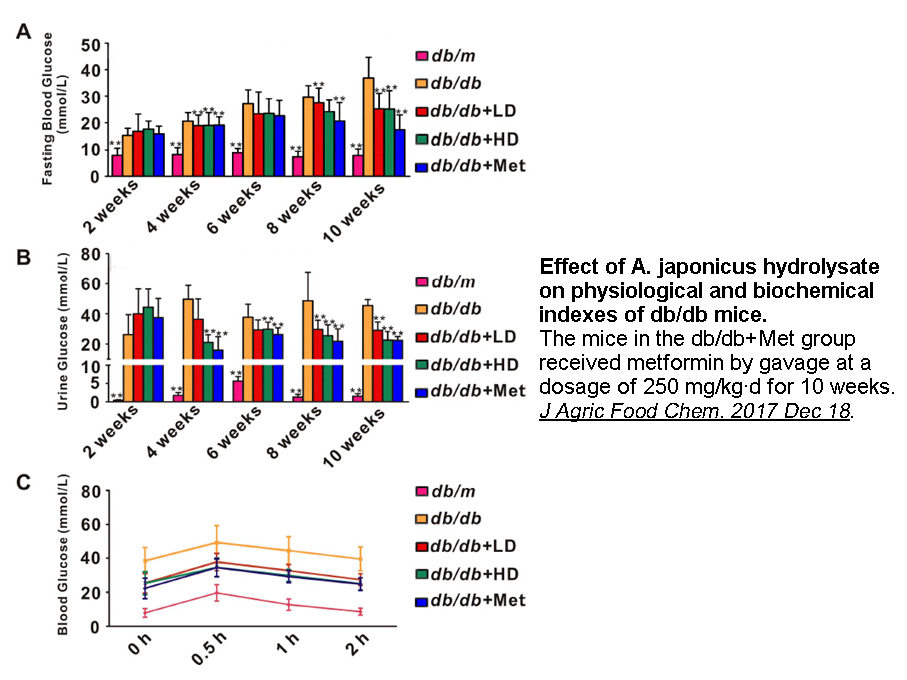
DDI is one of the main problems with serious clinical consequences in clinical settings. Several reports have highlighted the role of modulation of drug-metabolizing enzymes, especially CYP450 s, as a major mechanism involved in clinical DDIs [3,4,7]. The present study aimed to investigate the effec
-
Preliminary studies evidenced the presence of CRFr in gamma
2020-09-29
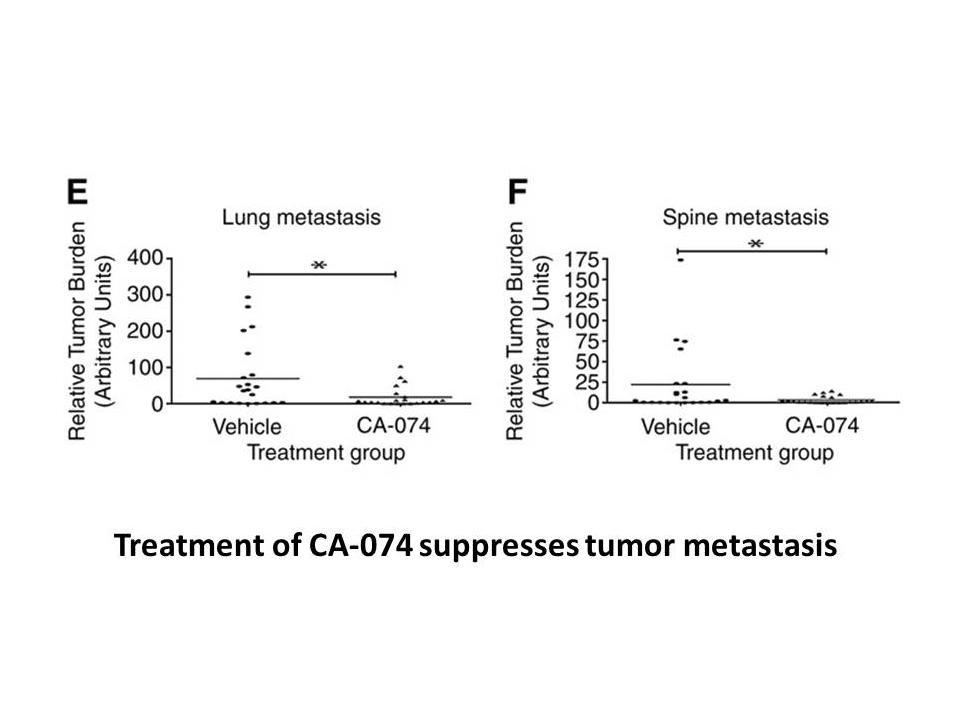
Preliminary studies evidenced the presence of CRFr in gamma-aminobutyric acid-ergic (GABAergic) neurons of the hippocampus (Yan et al., 1998). In fact, in this Superoxide Dismutase (SOD) Activity Assay Kit area, CRF inhibits glutamate release through CRF1r (Bagosi et al., 2015), leading to a decrea
-
In this study we reported that over expressed endogenous cen
2020-09-28
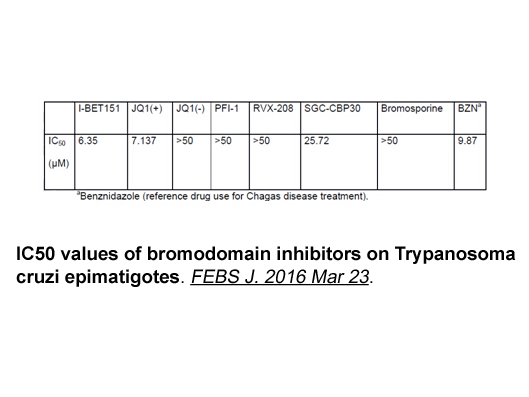
In this study, we reported that over-expressed endogenous central ET-1 exerted anti-allodynic and anti-hyperalgesic effects on SNL-induced NP for the first time. Furthermore, we showed that ETA-R mRNA dig this together with the level of ET-1 was increased in the CNS up to 21days after SNL surgery i
-
Even minor alterations in the surfactants
2020-09-28
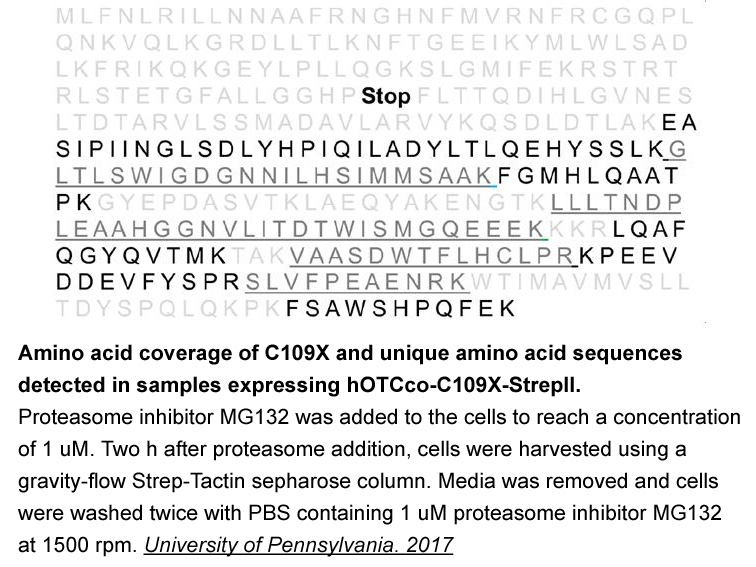
Even minor alterations in the surfactants structure could have consequences on their physico-chemical characteristics; mono-RLs have less solubility, stronger surfaces sorb, and stronger cationic metals binding than homologue di-RLs (Zhang et al., 1997). The HPLC separation of RLs structure is base
-
Grapiprant is a selective antagonist for
2020-09-28
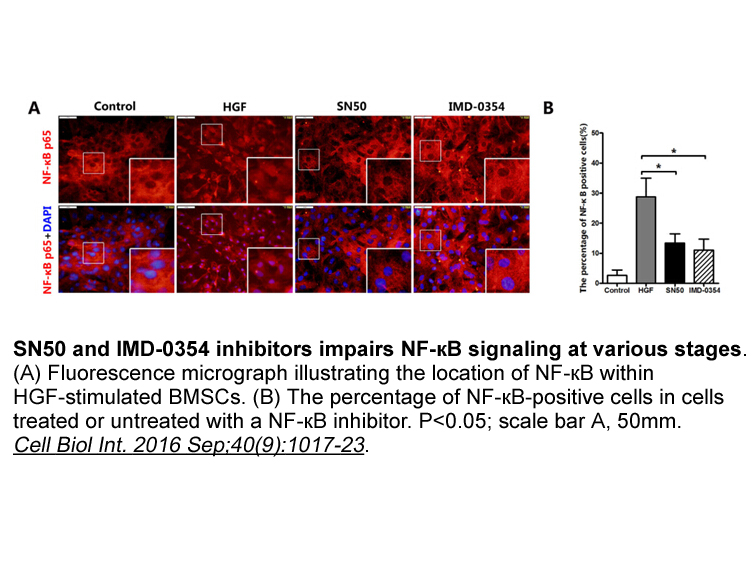
Grapiprant () is a selective antagonist for prostaglandin E (PGE) receptor subtype 4 (EP4) identified as a clinical candidate for the treatment of inflammatory pain associated with osteoarthritis (OA). It is currently under development for use in humans and dogs. The projected dosing regimen of grap
-
In conclusion our study has demonstrated that PGE stimulates
2020-09-28

In conclusion, our study has demonstrated that PGE2 stimulates expression of survivin in hepatocellular carcinoma cells. Although there are 4 subtypes of EP receptors, the EP1 receptor appears to be the predominant receptor that regulates PGE2-induced expression of survivin, mainly through trans-act
-
br Protein protein interactions of LEI L DNase
2020-09-28
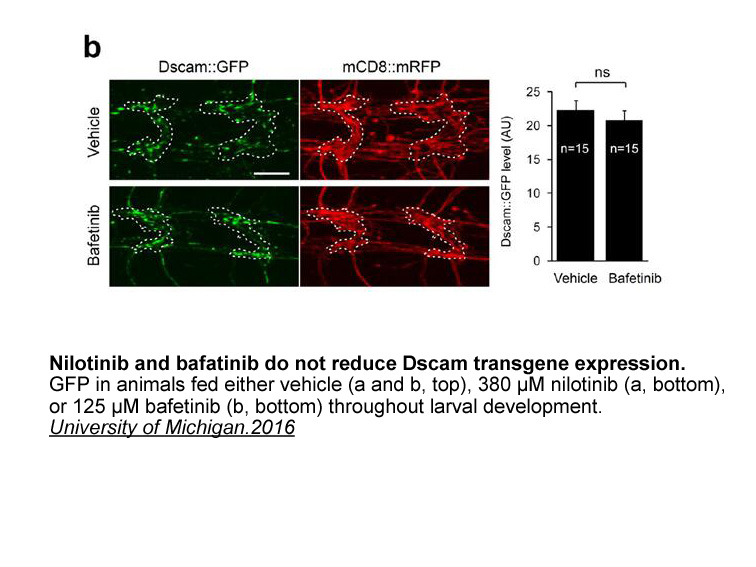
Protein-protein interactions of LEI/L-DNase II and the control of cell death Evolutionary tips The serpin inhibitory mechanism is extremely well adapted to evolutionary changes because a single amino Eribulin mesylate receptor substitution in the RSL can led to the inhibition of a totally diff
-
br Introduction Epithelial mesenchymal transition
2020-09-28
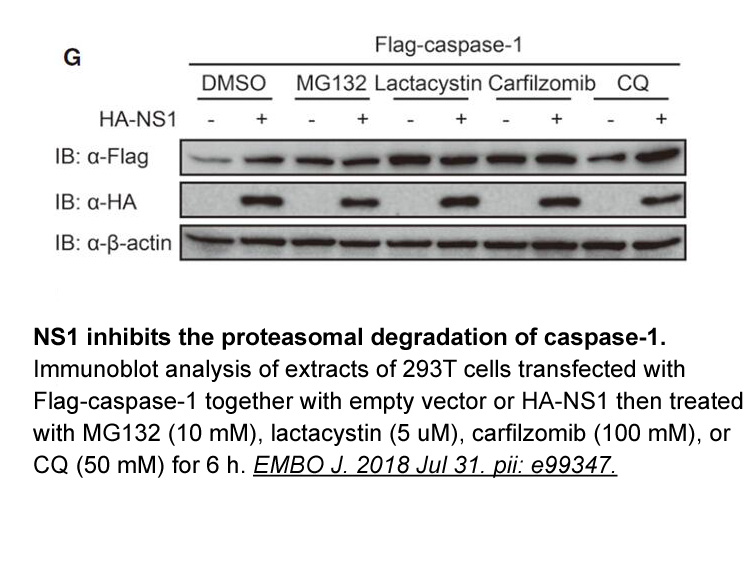
Introduction Epithelial-mesenchymal transition (EMT) is a biological process by which epithelial azd1775 sale lose cell polarity and cell-cell adhesion, and gain mesenchymal features with an increase of migratory and invasive properties [1]. EMT is essential for mesoderm formation during embryo
-
br Experimental procedures br Acknowledgments br Introductio
2020-09-28
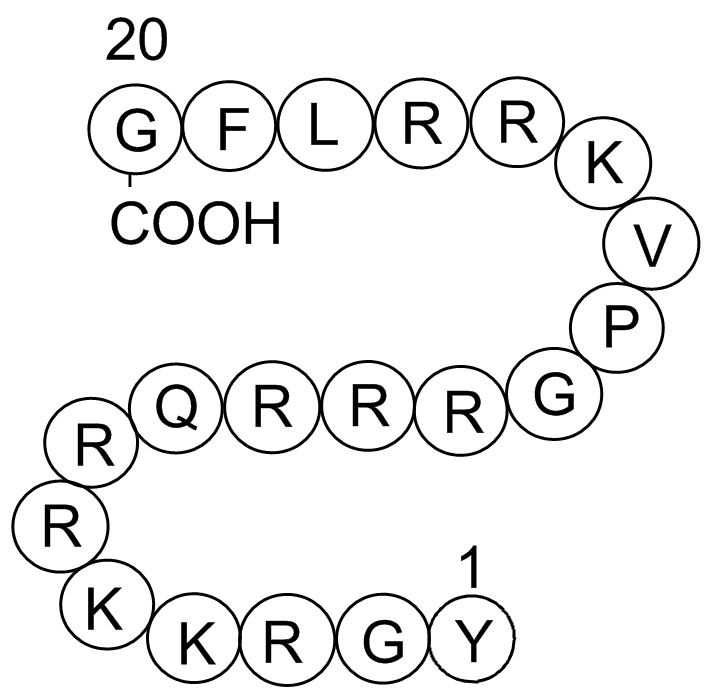
Experimental procedures Acknowledgments Introduction Receptor tyrosine kinases (RTKs) control many fundamental cellular processes, such as cell proliferation, differentiation, migration, and metabolism (Lemmon and Schlessinger, 2010). RTK activity is normally tightly controlled, and dysregu
-
The small intestine in addition to its primary role of
2020-09-28
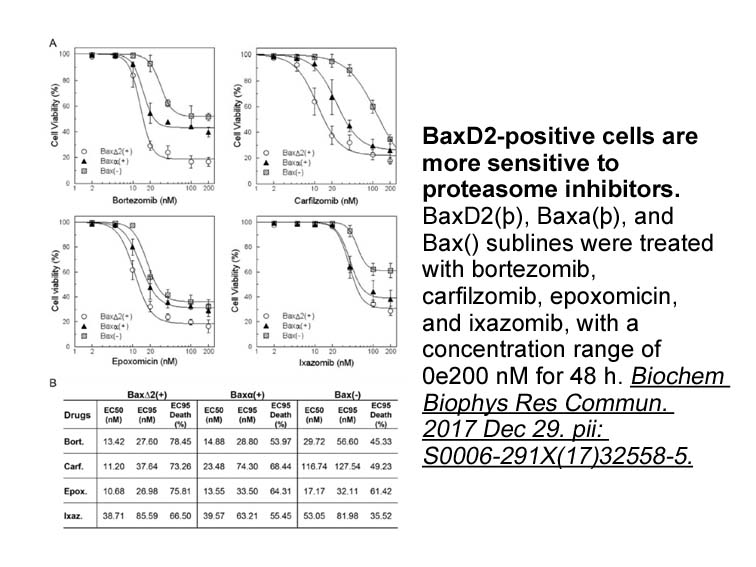
The small intestine, in addition to its primary role of absorption, has the ability to metabolize drugs and other xenobiotics through phase 1 and phase 11 metabolisms [25] since almost all the cytochrome P450 Candesartan present in the liver are also present in the small intestine although, in lower
-
Although the reasons why viral RNA does not bind to
2020-09-28
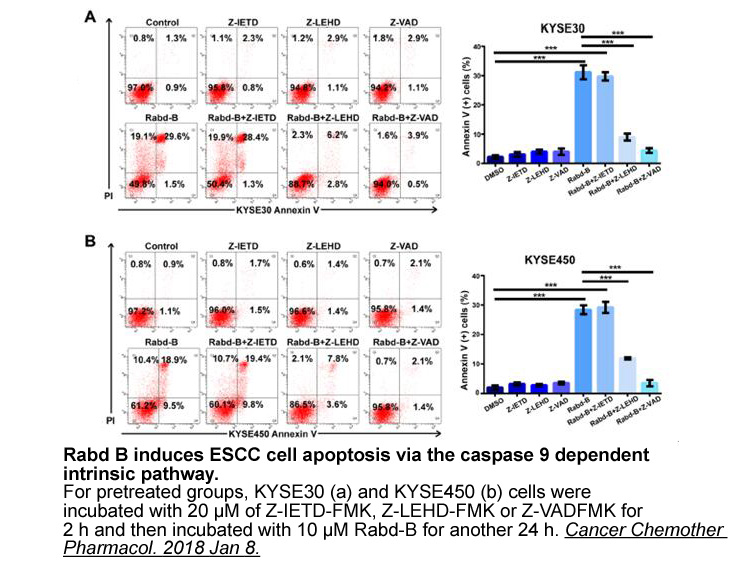
Although the reasons why viral RNA does not bind to and activate PKR in WNV-infected cells are not known, some of the known characteristics of flavivirus infections provide possible clues. The viral Rink Amide Resin protein forms dimers that associate with ER membranes and viral RNA (Lindenbach et
-
OHC is a potent regulator of LXR
2020-09-28
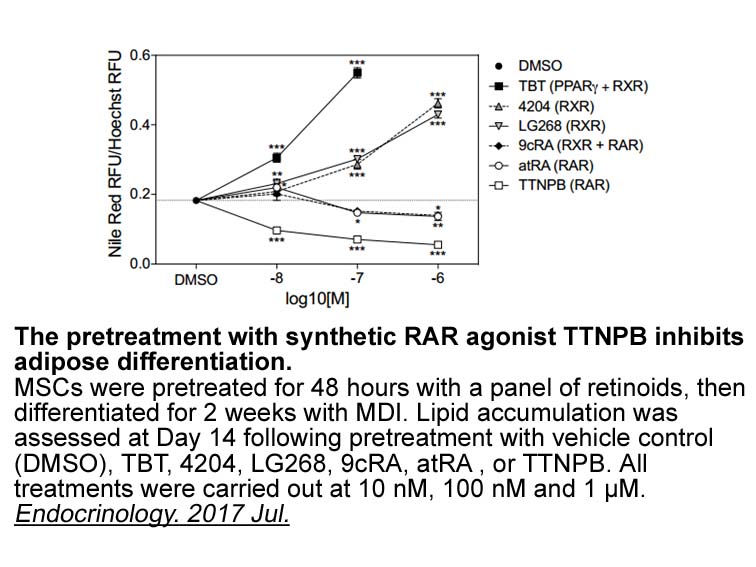
25-OHC is a potent regulator of LXR-mediated pathways, that impact on Terfenadine sale lipid homeostasis [8]. This oxysterol affects expression of the cholesterol efflux pumps ATP-binding cassette transporter (ABC)A1 [9] and ABCG1, and expression of apolipoprotein E [10], [11], [12]. 25-OHC is able
-
Recent studies support the concept that dietary metabolites
2020-09-28
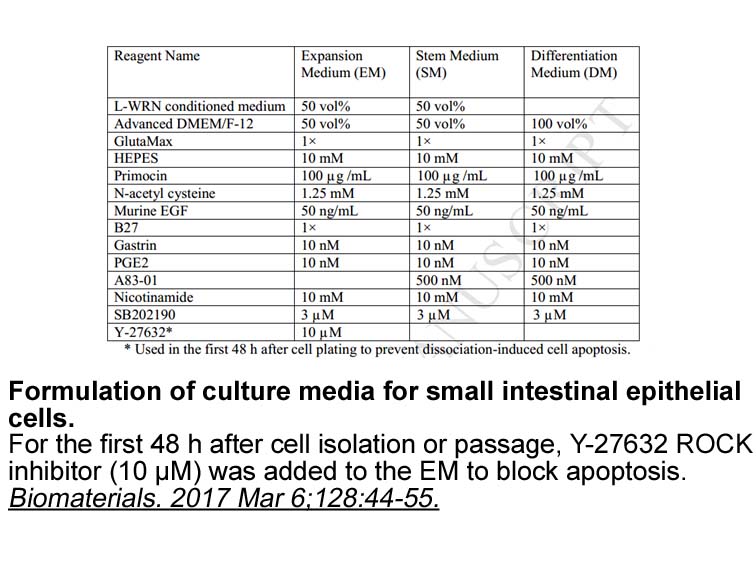
Recent studies support the concept that dietary metabolites, such as retinoids and AHR ligands, regulate ILC3 function. These metabolites act through intracellular nuclear receptors that function as transcription factors, thereby controlling ILC activity through the stimulation of specific transcrip
-
br Concluding Remarks Recent studies have provided unprecede
2020-09-28
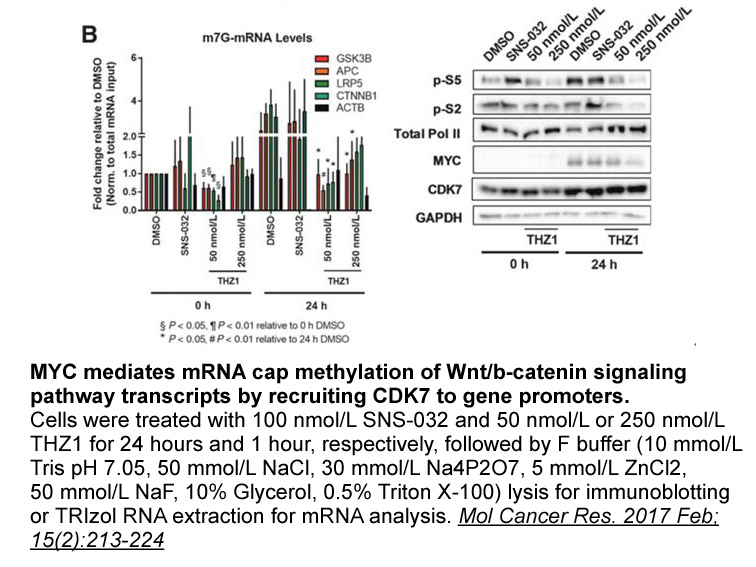
Concluding Remarks Recent studies have provided unprecedented details of APC/C structure and enzymology, which explain how the activity of this massive E3 ligase is controlled, and how ubiquitylation is achieved to temporally regulate cell division. Although one pervasive question has been why th
-
We also found downregulation of TRIM in
2020-09-28
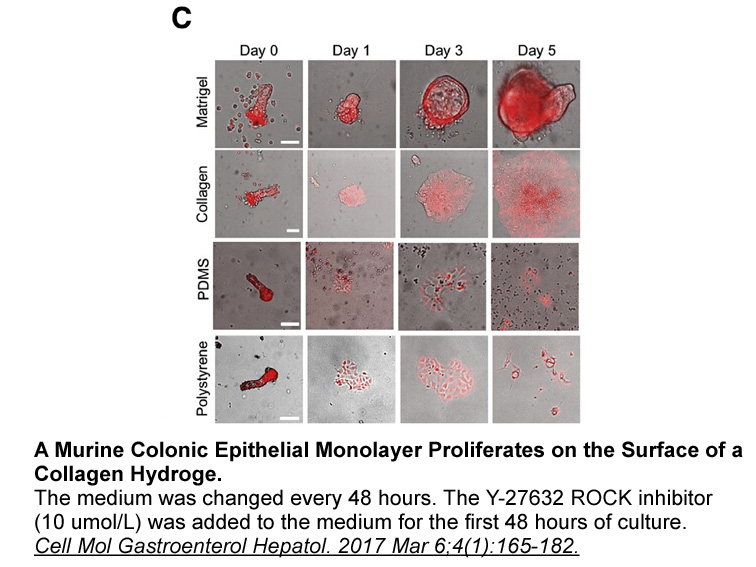
We also found downregulation of TRIM32 in the hearts of dilated and hypertrophic cardiomyopathy patients in addition to TAC and phenylephrine treated mice [51]. TRIM32 and Dysbindin are known to interact in skeletal muscle, and we could confirm this interaction in cardiomyocytes as well. In cardiomy
15440 records 783/1030 page Previous Next First page 上5页 781782783784785 下5页 Last page